We need to move faster
We take an approach of informed optimism that acknowledges the scale of the crisis while showing that solutions can be achieved and are good business.
But not fast enough.
The playbook for competing in the low-carbon economy.
Its practical approach is grounded in what is working today, drawing on original research covering more than 400 companies and 5,000 climate tech startups.
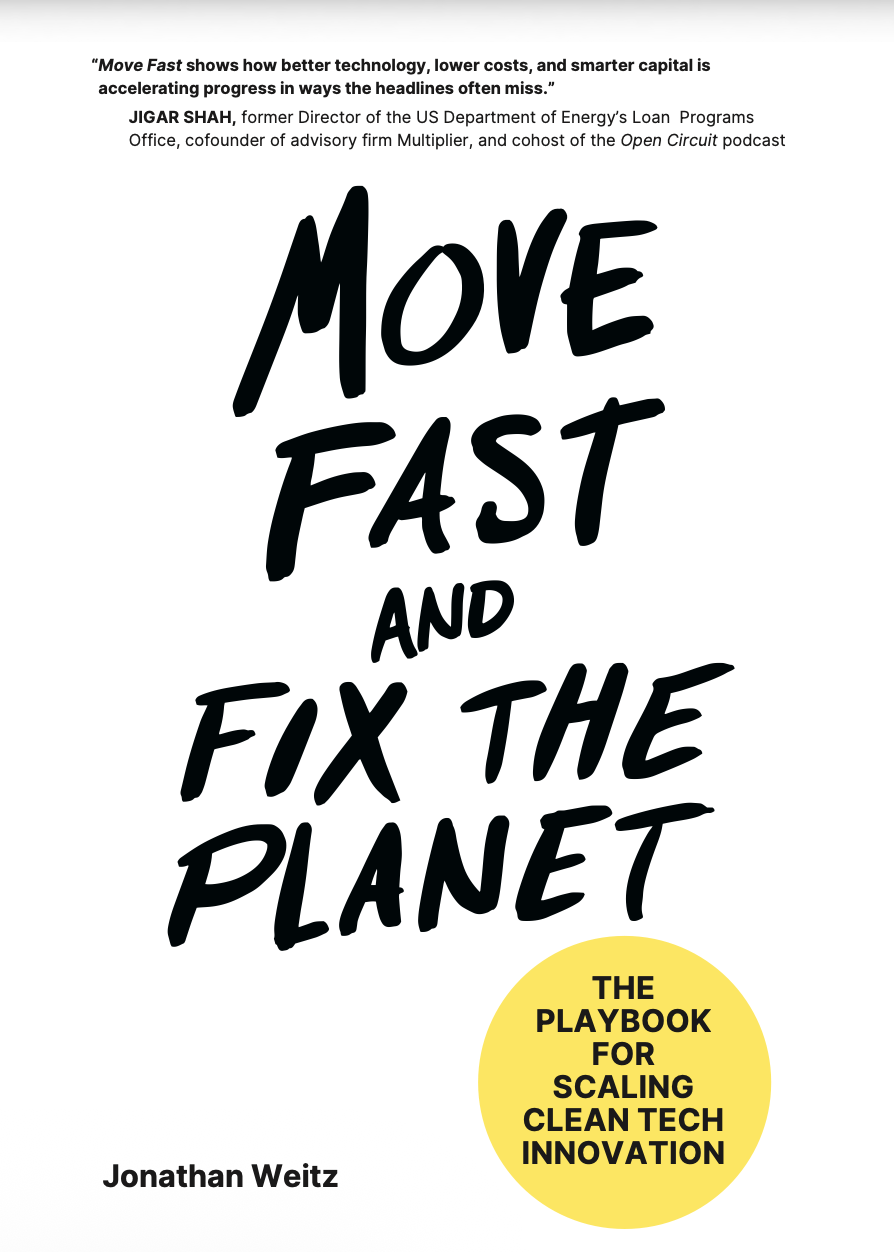
Jonathan Weitz
“Move Fast shows how better technology, lower costs, and smarter capital is accelerating progress in ways the headlines often miss.”
“Move Fast delivers a data-packed and timely must read for entrepreneurs, investors, and practitioners driving the transition of energy and industry.”
Clean technologies are winning because they increase affordability, energy security, and resilience. As a result, investors are allocating capital to them and adoption is growing worldwide.
But not fast enough. Worsening climate hazards expose the risk of delay. AI can accelerate the transition or set it back, depending on how we power it.
Corporate leaders who recognize the value creation opportunity and move quickly to adapt will find profitable growth and lower risk. Those who wait will face disruption.
Move Fast and Fix the Planet is the playbook for competing in the low-carbon economy. Its practical approach is grounded in what is working today, drawing on original research covering more than 400 companies and 5,000 climate tech startups.
14 chapters. Five parts.
We take an approach of informed optimism that acknowledges the scale of the crisis while showing that solutions can be achieved and are good business.
The trends we’ve discussed in this chapter have already powered exponential growth in the clean economy, but there is still room for it to get much bigger.
This chapter provides a framework for understanding the business case drivers, and explores what makes these solutions so disruptive, drawing insights from an analysis of thousands of startups.
This chapter looks at how companies clear that first obstacle by making sustainability core to strategy. Doing so drives innovation, competitiveness, and financial performance.
What’s needed is a disciplined way to gather external signals and make sense of what they mean for the business.
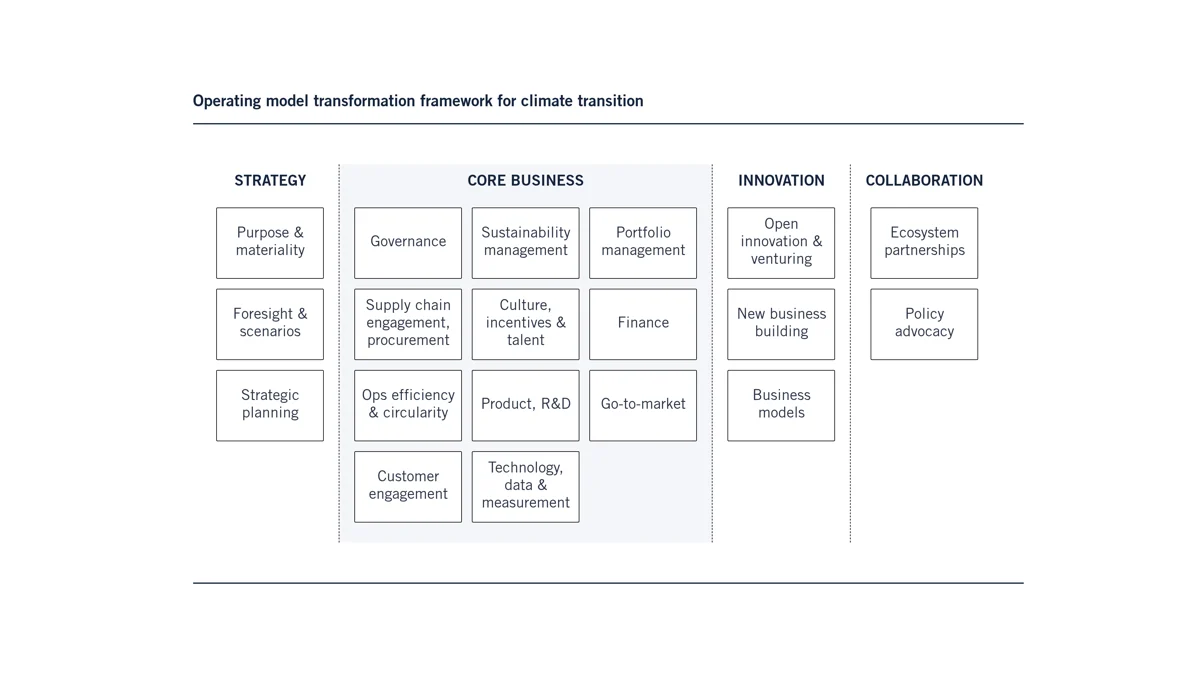
In this chapter, we’ll introduce a framework for transforming operating models and how companies can implement it.
In this chapter, we’ll look at climate-aligned portfolio strategy as a driver of value creation, and then see how companies put it into practice in their portfolio-management processes.
In this chapter, we’ll introduce a method that cuts costs and shrinks environmental footprints.
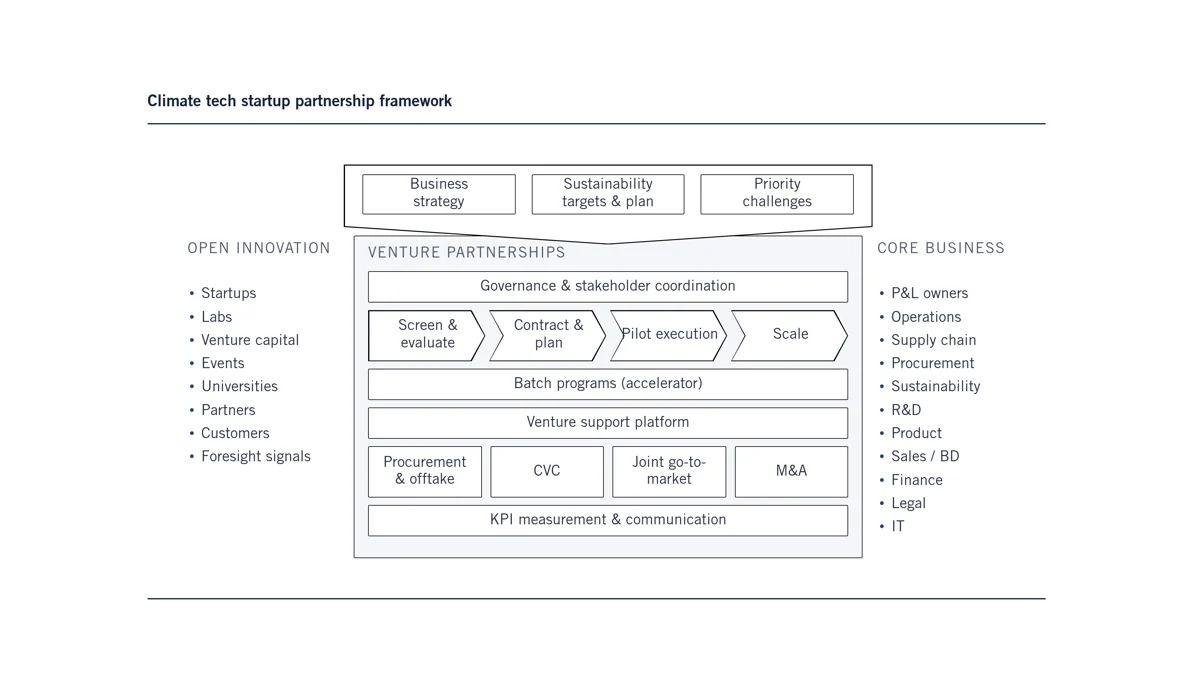
They match each approach to the opportunity it can capture or the problem it can solve. And they consistently look outside: partnering with startups, holding open innovation challenges, taking strategic venture stakes, and making acquisitions.
The chapter proceeds in two parts: the first covers how to leverage corporate assets and build new businesses with a de-risking process that shortens time-to-market, and the second applies a framework to build the organizational muscle behind a repeatable, low-carbon growth engine.
Deere’s journey, like that of many organizations, shows how business model innovation helps scale clean tech solutions.
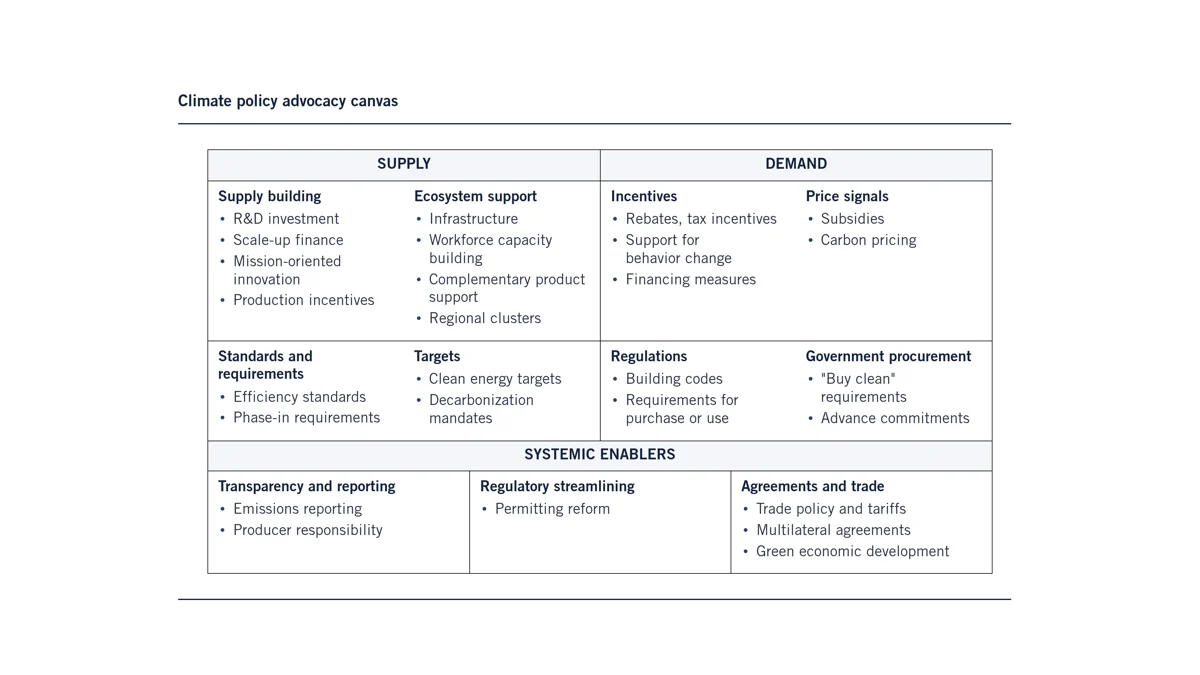
In every sector, companies have formed coalitions that deliver environmental and economic gains. Pre-competitive collaboration tackles systemic barriers to change and presses for greater action from policymakers.
Like Trane, a growing number of corporate leaders recognize that policy engagement is essential to deploying climate solutions faster.
The corporate innovators and startup entrepreneurs featured in this book are betting that solving our biggest challenges is one of the twenty-first century’s greatest opportunities.
Stories from the book
Industrial heat
Rondo Energy offers a “heat as a service” solution for industrial customers. Its heat batteries store renewable energy as heat and supply customers from cement plants in Thailand to bourbon distilleries in Kentucky. Buyers pay for outcomes instead of capital equipment.
Chapter 3 →Battery recycling
Ford invested $50 million in Redwood Materials, a battery-recycling company that is building a closed-loop system to supply carmakers with cathode active materials. A pilot with Ford and Volvo proved the value, recovering 95 percent of critical elements.
Chapter 9 →Precision agriculture
Deere’s business model historically required farmers to invest upfront capital, a barrier to adoption especially in the Global South. In response, the company developed upgrade kits and a Solutions as a Service model that reduced initial costs.
Chapter 11 →Clean electricity
It took less than a decade for a newcomer to overtake a 214-year-old British energy company. Octopus Energy surpassed British Gas, one of the world’s oldest utilities, to become the country’s largest household energy provider in 2025.
Chapter 3 →Corporate innovation
To help climate solutions scale, L’Oréal launched a €100 million Sustainable Innovation Accelerator. The program supports entrepreneurs in low-carbon solutions, alternative ingredients, elimination of fossil plastic use and plastic waste, low-impact processes, water resilience, nature-based solutions, and inclusive business models.
Chapter 5 →Green steel
A secure supply of decarbonized inputs is now part of the value proposition for some clean tech firms. Stegra pre-sold contracts for green steel at a premium over conventional steel.
Chapter 3 →Packed with actionable frameworks in each section, along with a companion website that includes templates, metrics, and an executive summary for leadership teams to help you put the strategies to work in your organization.
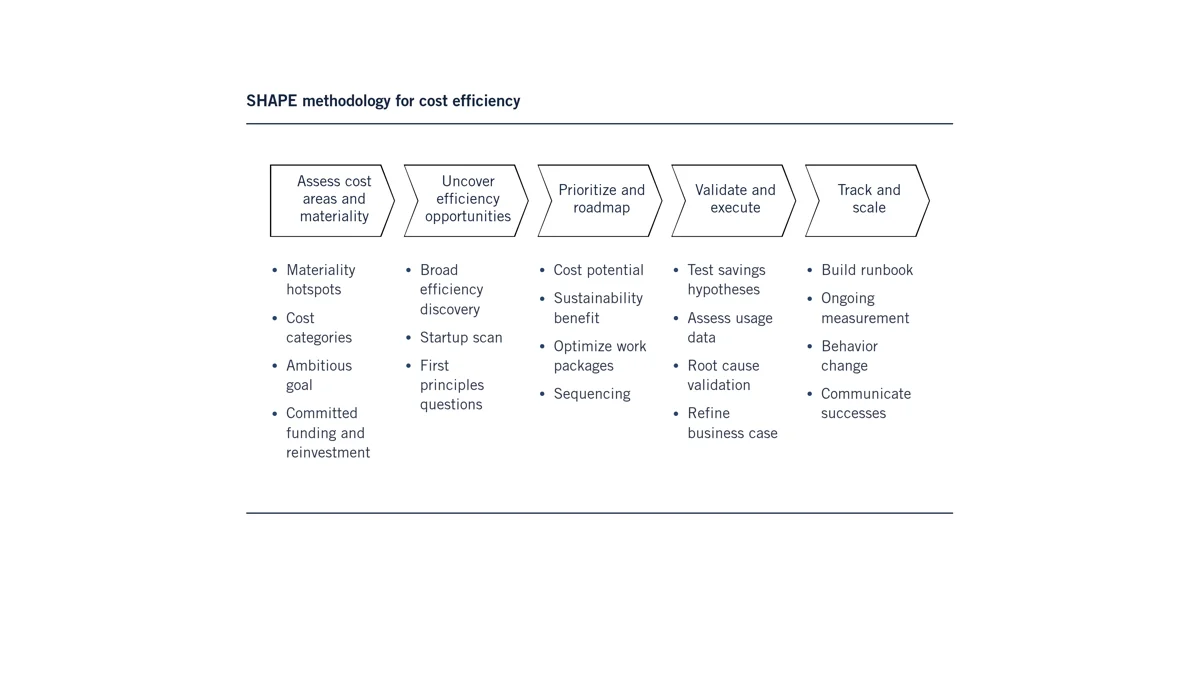
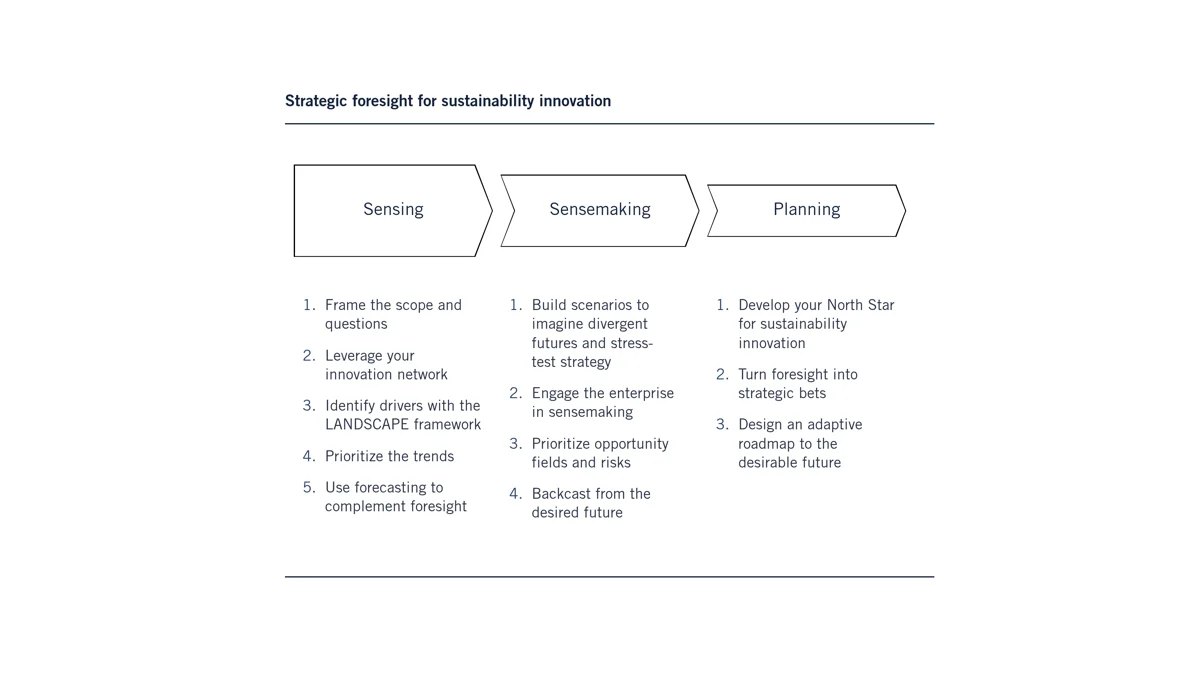
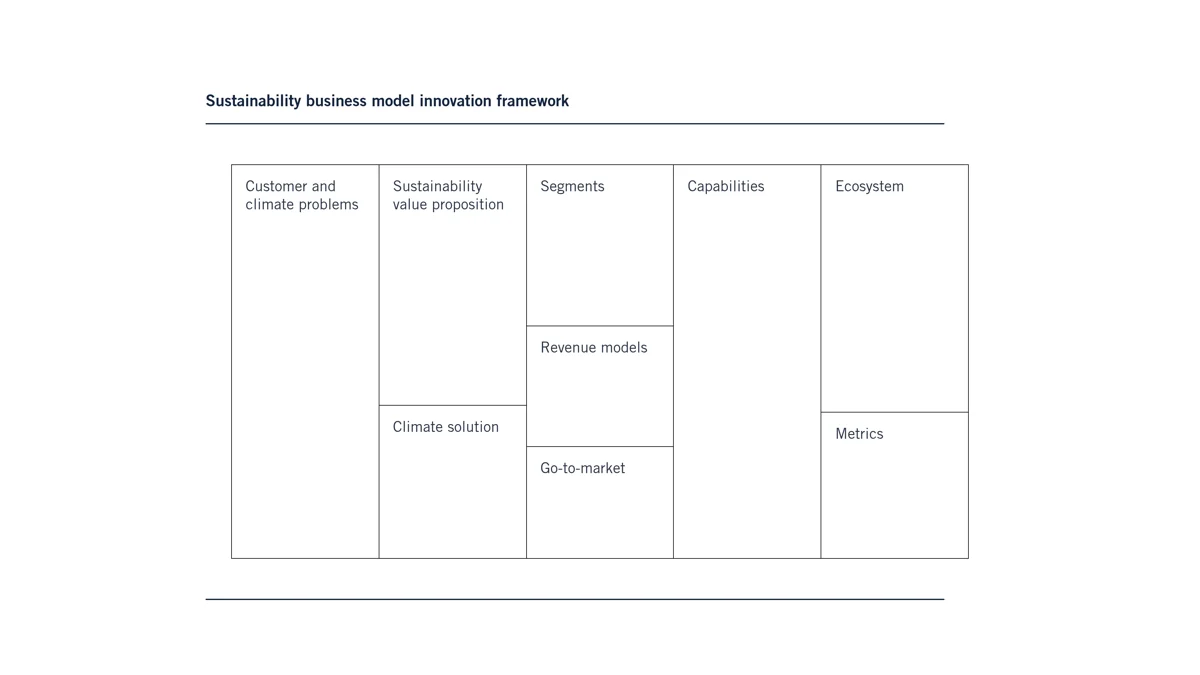
Explore the book’s frameworks →
An executive summary for leadership teams.
In preparation
In preparation
Explore the research, chapter by chapter.
Browse the sources →
Get an advance copy of
Move Fast and Fix the Planet.